

If mice have moved in - or you want to make sure they don't - one of the first questions people ask is simply: what smells do mice hate? It's a good instinct, because mice rely heavily on their sense of smell, so strong scents can help make your home less inviting.
Here's the honest part, though. Scents are a useful supporting layer - they help discourage mice and keep them away - but on their own they won't clear an active infestation. The people we hear from are mostly reaching for peppermint oil or household scents like vinegar, and just as often simply asking "what actually works?". This guide answers both: the ten smells worth trying, and how to use them so they genuinely make a difference.
📋 Quick summary: smells mice hate
- Mice have a keen sense of smell, so strong scents can help discourage them - peppermint oil is the one most people reach for.
- Scents are a supporting layer, not a cure - they won't clear an active infestation on their own.
- Reapply regularly - natural scents fade within days.
- Combine with proofing and traps - deterrents move mice along; sealing gaps and trapping is what removes them.
- Skip mothballs and ammonia - they're not safe or suitable for repelling mice indoors.
Why Smell Works on Mice
Mice have a far keener sense of smell than we do, and they rely on it constantly - to find food, follow familiar routes and detect danger. That's why strong, overpowering scents can unsettle them and make an area feel unsafe enough to avoid. It's also why scent works best as a deterrent, keeping mice away from a spot, rather than a way to remove mice already established: a determined mouse with food and shelter nearby will often push through a smell it dislikes.
10 Smells That Help Deter Mice
1. Peppermint Oil
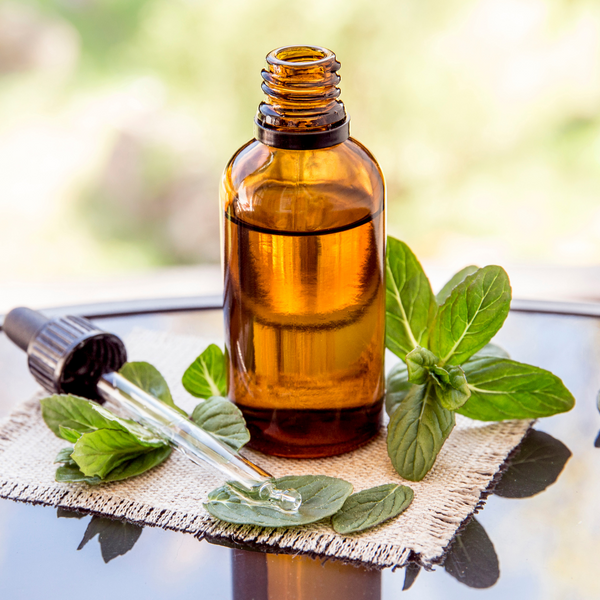
Peppermint is the smell most people reach for, and with good reason - its strong minty scent is thought to be unpleasant to mice. Soak cotton balls in undiluted peppermint oil and place them at entry points, along skirting and wherever you've seen activity, refreshing them every few days as the scent fades. It won't clear an infestation on its own, but it's a solid first choice for discouraging mice - and it leaves the house smelling fresh.
2. Vinegar
A favourite because most people already have it in the cupboard. White vinegar's sharp, acidic smell is off-putting to mice - wipe down skirting boards, entry points and surfaces with a vinegar solution, or leave soaked cotton balls in problem spots. Like all these scents, it discourages rather than removes, and needs redoing regularly.
3. Tea Tree Oil
Tea tree's strong, medicinal scent is another mice tend to dislike. Use it like peppermint - soaked cotton balls at entry points, refreshed often. A supporting deterrent, not a cure.
4. Eucalyptus Oil
Eucalyptus has a strong, fresh aroma that many people find pleasant and mice tend to avoid. Use it the same way at entry points and along walls, topping it up regularly.

5. Clove
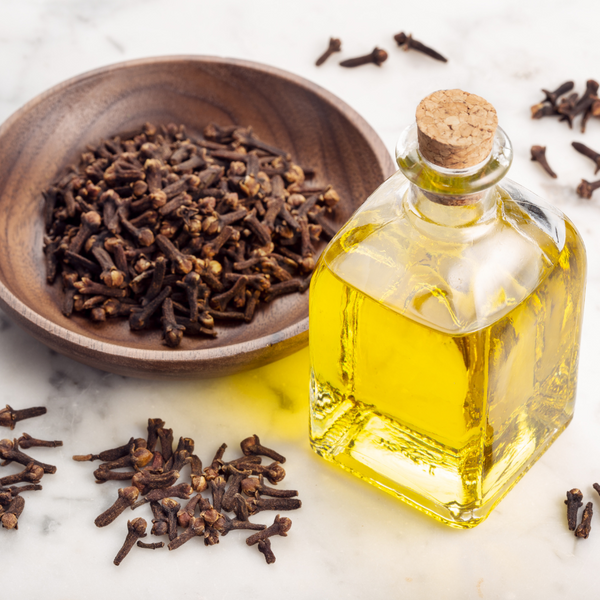
Cloves and clove oil give off a warm, spicy scent mice dislike. Whole cloves in a little muslin bag, or clove-oil-soaked cotton balls, work well tucked into cupboards and corners - a plant-derived, humane option.
6. Cinnamon
Cinnamon's warm, spicy smell is another that can help deter mice, and it's pleasant and safe in the home. Use cinnamon sticks or oil-soaked cotton balls at entry points - ground cinnamon loses its potency quickly, so refresh it often.
7. Cedarwood
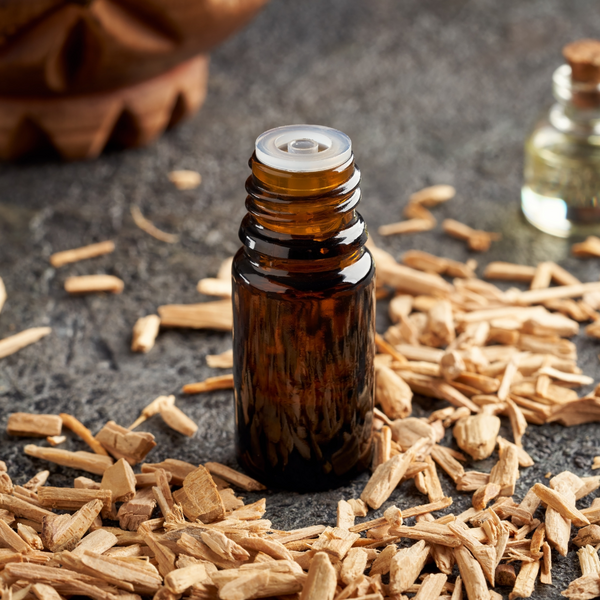
Cedarwood has a woody scent mice find off-putting, and it's long been used to protect stored fabrics. Cedar blocks or oil in wardrobes, drawers and lofts can help discourage them.
8. Mint Plants
Growing mint - or planting it near entry points outdoors - gives you a living, self-renewing version of the peppermint deterrent. Handy around doorways, air bricks and the base of walls.

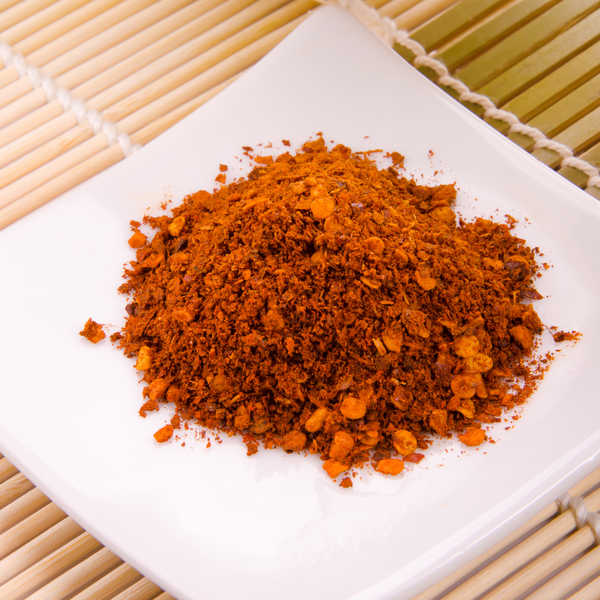
9. Cayenne Pepper
The capsaicin in cayenne pepper irritates mice, so a light sprinkle at entry points and along runs can help deter them. Keep it to spots children and pets can't reach, and top it up regularly.
10. Citrus
Mice dislike the strong smell of citrus. Fresh peels, or a few drops of citrus essential oil at entry points, can help - though peels dry out fast, so replace them often.

Two Smells to Avoid
You'll see these suggested elsewhere, but we don't recommend either:
- Mothballs. Often floated as a mouse repellent, but they're a pesticide intended for moths in sealed containers - scattering them to repel mice is a misuse of the product, and the vapour is toxic to people and pets. Skip them.
- Ammonia. Sometimes suggested because it mimics predator urine, but it's a harsh irritant with strong fumes, isn't a natural product, and is a poor fit for a home with children or pets.
So What Actually Works?
It's the question we're asked most - and the honest answer is that no smell, on its own, gets rid of mice. Scents earn their place as a supporting layer, but they disappoint when people lean on them alone. Four things make the difference:
- Treat them as a deterrent, not a cure - to remove mice, you need traps.
- Reapply regularly - the scents fade within days.
- Combine them with proofing - seal entry points and remove food, or mice simply move along the wall.
- Use them early - they're far better at keeping mice out than shifting an established colony.
The reliable approach is to identify what you're dealing with, remove food and seal entry points with mesh or steel wool, set traps where you've seen signs, and then use these scents to reinforce. For the full method, see our guide to using natural mouse deterrents properly.
A Couple of Things to Check
- Is it mice or rats? Rice-sized droppings mean mice; raisin-sized mean rats, which scents are even less likely to shift - see our rats guide if so.
- When to get help. If you're seeing daily droppings or mice in numbers, scents won't be enough - move to proofing and trapping, and call a professional if the problem has spread across rooms, keeps returning, or there are vulnerable people in the home.
FAQs: Smells That Deter Mice
Which smell do mice hate most?
Peppermint oil is the most popular and the one to start with, but tea tree, eucalyptus, clove, cinnamon, cedarwood, cayenne and citrus all help too. All of them discourage rather than remove mice.
Does vinegar keep mice away?
Its sharp smell is off-putting, and it's cheap and already in most cupboards, so it's worth using at entry points - but, like all scents, it's a deterrent that needs reapplying, not a cure.
Do smells get rid of mice for good?
No. Scents help keep mice away, but to clear an active problem you need to seal entry points and set traps. Use smells to reinforce those measures, not replace them.
Are these smells safe around pets?
Mostly, used sensibly - but some essential oils (peppermint, tea tree, eucalyptus, clove) are toxic to cats and dogs in concentrated form, so keep soaked cotton balls out of reach and use them in well-ventilated spaces.
How often do I need to refresh them?
Every few days - natural scents fade quickly. Ready-made repellent sprays tend to last a little longer.
Final Thoughts
Strong smells are a genuinely useful tool for keeping mice at bay - especially if you want a humane, low-toxicity approach that's gentle around children and pets. Just use them for what they're good at: discouraging and preventing, as part of a plan that also includes proofing and traps. Reach for peppermint first, reapply regularly, and combine it with sealing up your home, and you'll keep mice guessing.
At PestBuddy, we're here to empower you with effective, fast and easy-to-use DIY mouse control - from natural rodent repellent sprays to traps and proofing. For the full picture, see our expert guide to getting rid of mice.


