

One fly buzzing at the window, a trail of ants along the skirting board, or a moth fluttering out of a cupboard — it often starts small. But once insects find an easy way in, they'll keep coming back (and some can multiply fast).
The good news is you don't need to wait for an infestation to take action. Most household insects enter through predictable places — tiny cracks, poorly sealed gaps, vents, and air bricks — and once you block those access points, you remove the problem at the source.
In this guide, you'll learn how to insect proof your home step-by-step: where insects get in, the most common entry routes in UK properties, and the simple DIY proofing measures you can use to keep flies, ants, moths, spiders and more out.
📋 Quick summary: insect proofing your home or business
- Block the entry, not the symptom - most insects come in through structural gaps (cracks, vents, air bricks, gaps around pipes), so sealing those stops the problem at source.
- Insects exploit tiny gaps - many get through cracks as small as 1–2mm, far smaller than a mouse needs, which is why apparently sealed homes still let them in.
- Use the right barrier for the job - sealant or filler for cracks, mesh for vents and air bricks, foam or wire wool for larger holes.
- Never seal an air brick solid - it's also the entry point people miss most often. Use a mesh cover that keeps insects out while preserving airflow (more on why below).
- Proofing dramatically reduces insects, but works best alongside good housekeeping - removing food and water sources and monitoring for activity.
Why insect proofing is important
Insects are experts at exploiting even the smallest gaps. Unlike rodents, many insects can enter through cracks as small as 1–2mm, making homes that appear sealed still vulnerable.
- Prevent infestations before they start
- Reduce reliance on sprays and chemical treatments
- Improve hygiene and comfort indoors
- Protect food cupboards, soft furnishings and stored goods
Taking a preventative approach is often more effective and longer-lasting than dealing with insects once they are already inside.

How do insects get into homes?
Most insects enter buildings through structural gaps rather than open doors or windows. Common entry routes include:
- Air bricks and wall vents
- Cracks in brickwork or render
- Gaps around doors and window frames
- Openings around pipes, cables and drains
- Gaps under skirting boards or floorboards
Because these entry points are often hidden or overlooked, insects can gain access unnoticed.
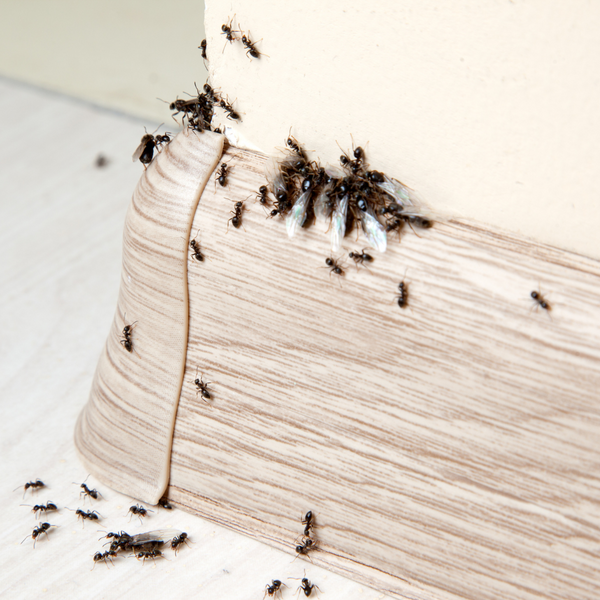
What about insects living inside walls?
Many household insect problems start inside wall cavities rather than in open living areas. Ants, wasps and beetles can enter through small external gaps and establish themselves inside walls, insulation or voids before becoming visible indoors.
This is why insects may appear around kitchen units, plug sockets or skirting boards, even when windows and doors are kept closed.
Insect proofing helps prevent this by blocking access points such as air bricks, vents, cracks in brickwork and gaps around pipes. By stopping insects from entering wall cavities in the first place, you reduce the risk of hidden nests developing behind walls.
If insects are already established inside a wall, proofing alone won't clear them — you'll need to combine proofing with appropriate treatment. For a persistent, recurring or hidden problem, a professional pest controller can help locate the entry points and the nest itself.
Common insects that enter UK homes
Insect proofing is effective against many common household pests, including:
- Ants – entering through cracks in walls and foundations and nesting inside wall cavities
- Flies – using air bricks, vents and poorly sealed windows
- Moths – accessing lofts, cupboards and ventilation points
- Wasps – entering through vents and wall cavities while searching for nesting sites
- Spiders – crawling through small gaps and crevices
- Cockroaches – accessing buildings through gaps around pipes, drains and service entry points
- Beetles and silverfish – entering through damp or dark areas
Stopping access at entry points is one of the most reliable ways to control all of these pests. Flying biters such as mosquitoes and midges are a slightly different case — they're best kept out with window and door screens rather than sealing, since they fly straight through open windows.
Key areas of the building to focus on for insect proofing
1. Air bricks and vents
Air bricks are essential for ventilation but are also a major entry point for insects — and in our experience, they're the one people overlook most often. Most homeowners think to seal visible cracks and door gaps, but walk straight past the air bricks at the base of the wall, which are effectively an open grille straight into the property. Fitting fine mesh vent covers allows airflow while preventing insects from getting inside.
⚠️ Important: never seal an air brick solid. Air bricks ventilate the space under suspended floors and around the building. Blocking one off completely can trap moisture and lead to damp, condensation or even rot in floor timbers. Always use a mesh air-brick cover that keeps insects out while letting air flow freely.
2. Cracks, gaps and crevices
Small cracks in walls, around window frames or along skirting boards are ideal entry routes. Using sealants or gap fillers blocks these access points and stops insects crawling indoors.
3. Pipes and cables
Where pipes or cables enter the property, gaps are often left unsealed. These openings should be filled or covered to prevent insects travelling along service routes. For larger holes, pack with wire wool before sealing over the top.
4. Doors and windows
Even small gaps around doors and windows can allow insects inside. Make sure frames are properly sealed and gaps are filled. A brush or sweep seal along the bottom of an exterior door closes the gap most people overlook, and mesh screens let you keep windows open in summer without inviting insects in.
5. The area around the building
Proofing works better when insects aren't given a bridge to your walls in the first place. Keep vegetation trimmed back from the brickwork, move stored items, bins and firewood away from external walls, and clear damp leaf litter from around the base of the building — all of these otherwise act as shelter and a staging point right next to your entry points.

What products are used for insect proofing?
Effective insect proofing relies on physical barriers, not chemicals. Common products include:
- Fine insect mesh for vents and air bricks
- Sealants and fillers for cracks and gaps
- Expanding foam and wire wool for larger openings
- Mesh barriers and window screens for doors and windows
- Proofing materials designed for long-term durability
These products work continuously once installed and don't rely on reapplication like sprays.
Insect proofing for businesses
For commercial premises — especially food businesses, hospitality and rented properties — insect proofing is about more than comfort. It protects your reputation and helps meet the hygiene standards customers and inspectors expect. A single fly in a café or a moth in stored stock can undo a lot of goodwill, and environmental health officers expect to see sensible preventative measures in place.
Proofing fits neatly into a routine pest-management regime:
- Block structural entry points (vents, gaps around pipes, door gaps) as a standing measure rather than a reaction
- Fit mesh screens to windows and doors that are regularly opened
- Keep a simple record of what's been proofed and when, so it's easy to demonstrate due diligence
- Pair proofing with monitoring — traps and regular checks — so any breach is caught early
For landlords and facilities managers, proofing between tenancies or during routine maintenance is far cheaper than dealing with an established infestation later.
Can you insect proof your home yourself?
Yes. Most insect proofing measures are simple DIY tasks that require minimal tools and experience. Identifying entry points and sealing them properly can make a significant difference in a short amount of time.
For best results:
- Inspect the exterior of your home carefully
- Seal gaps thoroughly rather than partially
- Focus on prevention rather than reacting to infestations
When should you insect proof your home?
Insect proofing can be done at any time of year, but it's especially effective:
- In spring, before insects become active
- In summer, to reduce flies and flying insects
- Any time, after noticing recurring insect activity indoors
The earlier gaps are sealed, the easier it is to prevent problems later. It's also worth a quick re-check seasonally and after storms or extreme weather, which can open up new gaps.
FAQs: insect proofing
What's the smallest gap an insect can get through?
Many insects and spiders can squeeze through gaps as small as 1–2mm — far smaller than a mouse needs. That's why a home that looks well sealed can still let insects in, and why it pays to inspect closely rather than assume.
Will insect proofing completely stop insects getting in?
It dramatically reduces entry, but no home is ever 100% sealed. Proofing works best alongside good housekeeping — removing food and water sources, keeping things clean — and a bit of monitoring so anything that does get in is caught early. Flying insects coming through open doors and windows are better handled with screens.
Can I just block up an air brick to keep insects out?
No — don't seal an air brick solid. It's there to ventilate the structure, and blocking it can cause damp and condensation. Fit a mesh air-brick cover instead, which stops insects while keeping the airflow.
Is mesh or sealant better for proofing?
They do different jobs. Use sealant or filler for cracks and gaps in walls and frames; use mesh for vents, air bricks and any opening that needs airflow; and use expanding foam or wire wool for larger holes around pipes and cables.
Does insect proofing work for every type of insect?
It's most effective against insects that enter through structural gaps — ants, flies, spiders, cockroaches, beetles and silverfish. Flying biters like mosquitoes and midges are better handled with screens and repellents, and pests that usually arrive on items or pets (such as bed bugs and fleas) need a different approach, so proofing helps less there.
Final thoughts
Insect proofing is one of the most effective ways to protect your home from unwanted pests. By blocking entry points and creating physical barriers, you can significantly reduce insect activity and enjoy a cleaner, more comfortable space — especially when you pair it with good housekeeping.
Taking action early saves time, money, and stress, and keeps insect problems far easier to stay on top of.
We go to great lengths to ensure that all our insect control products are effective, fast & easy-to-use. You may also find our expert guide useful if you want to learn more about getting rid of flies from your home or workplace.


